A young woman suffering from congenital heart disease with both her left and right ventricles failing, urgently needs RM180K for surgery to survive
Kuala Lumpur: Lua Yee Ni, 37, has been living with congenital heart disease. Her condition has now worsened, with severe narrowing and leakage of the aortic valve, as well as failure of both sides of her heart.
Doctors estimate that her heart function has dropped to just 20% of normal. Her condition is critical, and she urgently needs RM180,000 for high-risk heart surgery and follow-up treatment.
Lua has undergone two heart surgeries in the past. In 2014, she had surgery to repair a hole between the two chambers of her heart (VSD closure), as well as repair of her aortic valve. In 2016, she underwent another operation to replace the aortic valve with a tissue valve.
Description
Kuala Lumpur: Lua Yee Ni, 37, has been living with congenital heart disease. Her condition has now worsened, with severe narrowing and leakage of the aortic valve, as well as failure of both sides of her heart.
Doctors estimate that her heart function has dropped to just 20% of normal. Her condition is critical, and she urgently needs RM180,000 for high-risk heart surgery and follow-up treatment.
Lua has undergone two heart surgeries in the past. In 2014, she had surgery to repair a hole between the two chambers of her heart (VSD closure), as well as repair of her aortic valve. In 2016, she underwent another operation to replace the aortic valve with a tissue valve.
However, the tissue valve has gradually worn out over the years, causing severe narrowing and leakage.
Aortic stenosis occurs when the aortic valve narrows, making it harder for the heart to pump blood to the rest of the body. Aortic regurgitation happens when the valve cannot close properly, causing blood to flow backwards into the heart and putting extra strain on it.
She is also suffering from biventricular failure, meaning both the left and right sides of her heart are no longer pumping blood effectively. This has further affected her blood circulation.
Her husband, Hor Foo Hong, said his wife was born with a heart condition. About 10 years ago, she underwent surgery to replace her heart valve. However, as the artificial valve has deteriorated over time, doctors have advised her to undergo another operation.
He said his wife may have developed pneumonia recently, which further worsened her heart condition. About two weeks ago, she began experiencing breathing difficulties.
The family first sent her to a government hospital’s emergency department, where she was given antibiotics before being brought home to rest.
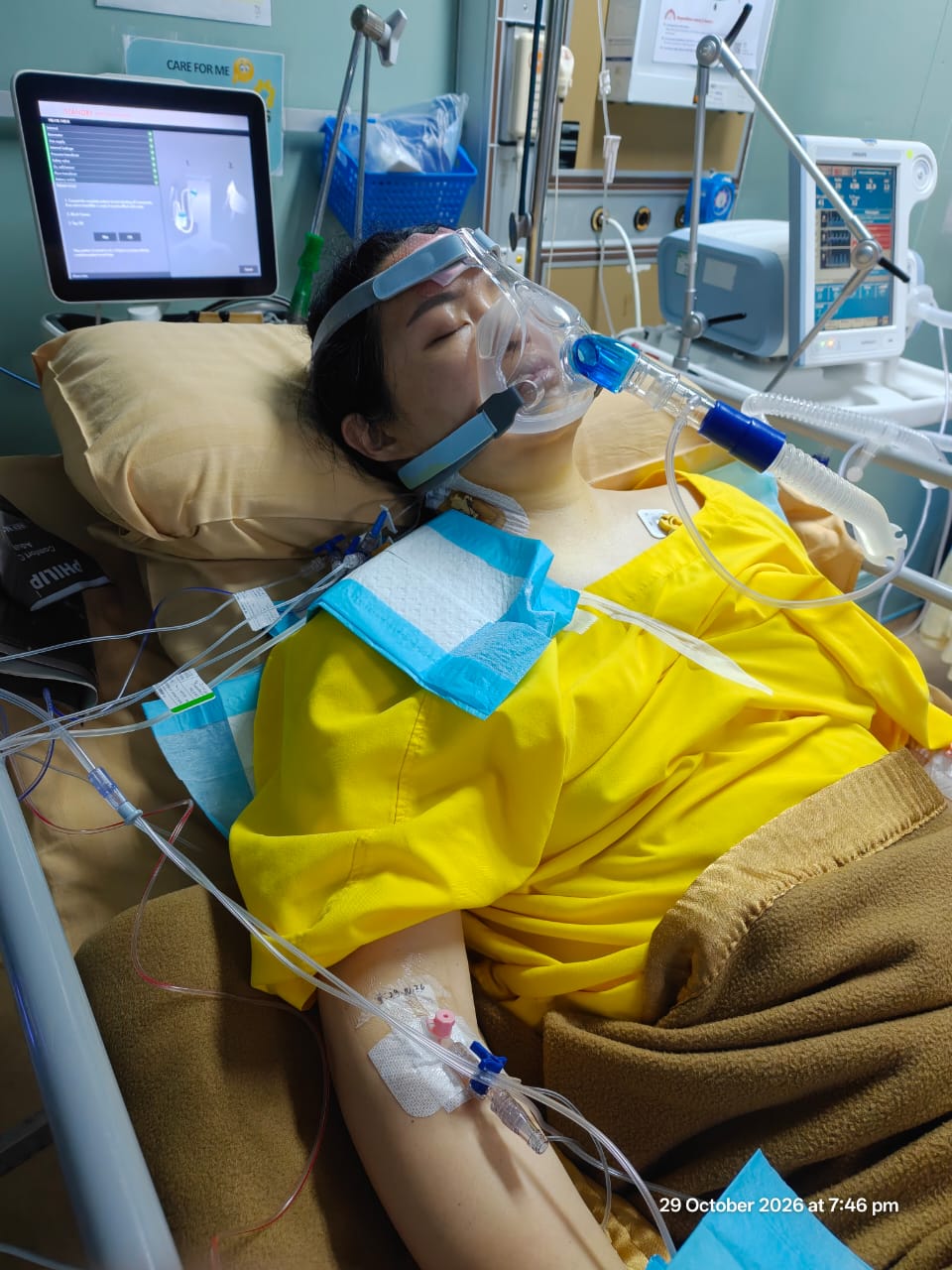
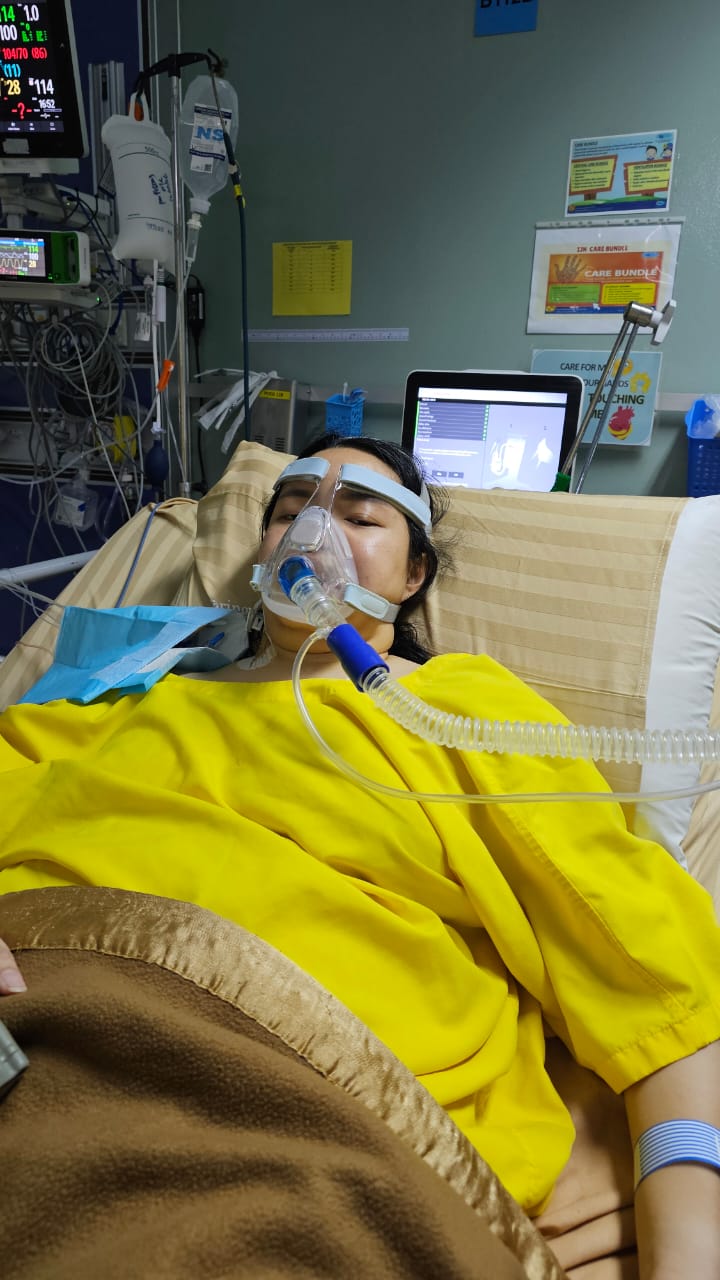
However, her condition did not improve over the next two days. The family then rushed her to the National Heart Institute (IJN). She has remained in the Intensive Care Unit (ICU) since then.
“She is currently relying on medication to keep her condition stable. Although she is still mentally alert, her low blood pressure and heart condition make it difficult for her to even get out of bed,” he said.
He said she now requires daily injections of medication to strengthen her heart’s contractions and help it pump blood.
As the damaged valve has affected her heart’s pumping ability, her body is also struggling to receive enough blood and oxygen, resulting in breathing difficulties.
“After the pneumonia infection, she started having difficulty breathing. Her heart had to work much harder to supply enough blood and oxygen to the other organs, which placed even more strain on it.”
He added that with her heart function reduced to just 20%, the upcoming surgery will involve replacing the damaged valve. She may also require an Extracorporeal Membrane Oxygenation (ECMO) machine after surgery to support her heart and lungs and maintain blood circulation and oxygen supply.
Speaking about her daily care, he said his wife used to enjoy exercising, and doctors had encouraged her to stay active when her heart valve was still functioning reasonably well.
However, as her condition gradually deteriorated, she could no longer engage in normal physical activities.
“After surgery, doctors have also advised that she may need to take blood-thinning medication long-term to reduce the risk of blood clots. Since she already has mild anaemia, we will also need to be more careful with her diet and daily care.”
He added that even after recovery, she would need to limit her physical activities and avoid falls or injuries, as bleeding could be harder to stop while taking blood-thinning medication.
He said his wife has never been able to obtain medical insurance because her heart condition is congenital.
With the high cost of surgery and treatment, the family has no choice but to seek public donations.
He hopes kind-hearted members of the public will lend a helping hand so that his wife can undergo the surgery and receive the necessary follow-up treatment.
Recalling their relationship, Hor said his wife had been honest about her heart condition when they first started dating. She had even told him that her illness could affect her life expectancy and advised him to be prepared for the worst.
“Since I chose to be with her, I know I have to take responsibility as her husband. I try to handle physically demanding tasks myself, especially housework that involves climbing or is difficult to manage.”
“Whenever there are stressful or worrying matters, I will try to settle them myself if I can. I don’t want her to worry too much or let unnecessary stress affect her health.”
CCEP Foundation Chief Executive Officer Yvonne Yee said that although Lua has congenital heart disease, including a hole between the two chambers of her heart (VSD), she has always been an active person who enjoys sports.
“Despite her heart condition, she has never allowed herself to live like a sick person. Instead, she has remained positive and continued doing the activities she enjoys,” she said.
She said Lua’s medical condition is complicated and the surgery carries significant risks. Given her overall medical condition, transferring her to another hospital for treatment is no longer advisable. Therefore, the medical team has decided to perform the surgery at the National Heart Institute (IJN).
During her hospital stay, Lua also contracted influenza, which made her condition even more critical. Fortunately, she has since received treatment and the infection is now under control.
“However, doctors have confirmed that her existing artificial heart valve is severely damaged and must be replaced as soon as possible to prevent her condition from worsening.”
Yvonne said the surgery carries considerable risks. After the operation, Lua’s heart may need to be temporarily stopped, while an external machine helps maintain blood circulation and gives her heart time to rest and recover.
She also praised Lua’s husband for actively seeking treatment options and financial assistance for his wife. From their conversation, she could see how much he cared about his wife’s well-being and closely followed her medical progress.
“Her husband also came personally to our office to find out more about our medical assistance and fundraising arrangements. He hopes to raise the required amount as soon as possible so that his wife can undergo surgery without further delay.”
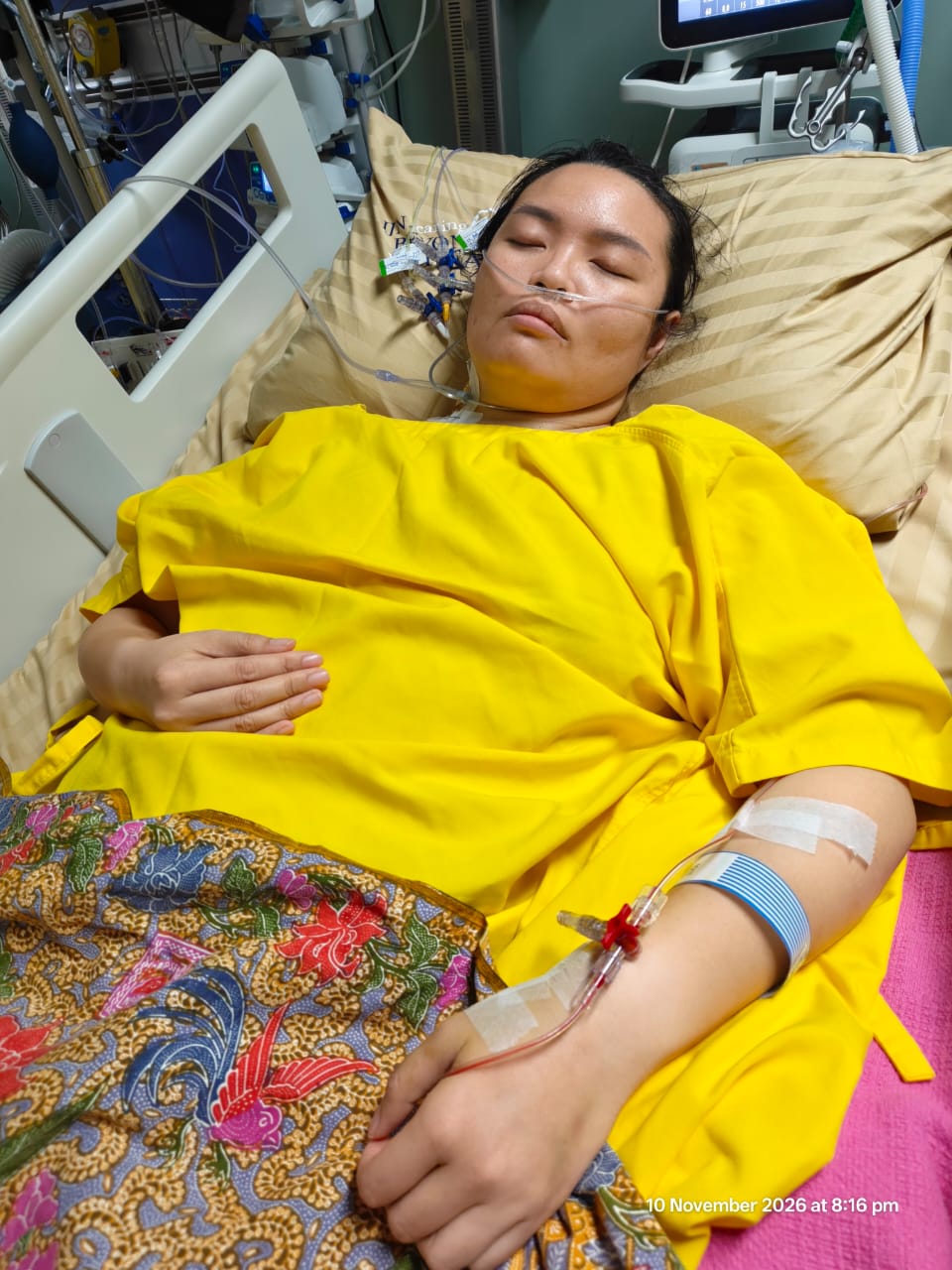
Caption: Lua Yee Ni is suffering from a serious congenital heart condition, with her heart function reduced to just 20% of normal. Her condition is critical, and she urgently needs public support to raise funds for surgery and follow-up treatment.